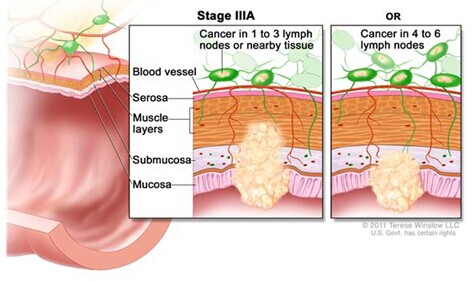
Cancer pain is one of the most unbearable sufferings for patients with advanced malignancies. It can be severe and persistent day and night, continuously draining a patient’s physical strength, weakening the body’s immune system, and seriously shaking their confidence in fighting the disease and facing life.
Recently, the Sixth Medical Department of Guangzhou Fuda Cancer Hospital successfully performed the hospital’s first intrathecal analgesia pump implantation. By implanting a drug delivery pump, pain can be relieved in a more precise and efficient way, bringing a ray of hope to patients tormented by cancer pain.
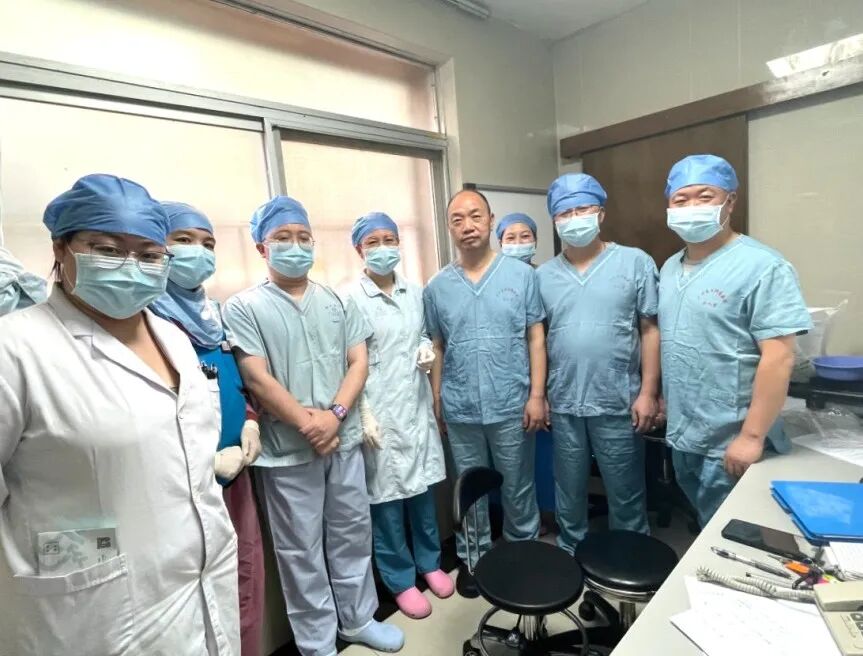
Ms. Huang (pseudonym), 63 years old, has been battling duodenal adenocarcinoma for three to four years. Despite undergoing radical surgery, chemotherapy, immunotherapy, and targeted therapy, the tumor continued to progress, invade, and metastasize. Severe cancer pain tortured her day and night. As her condition worsened, she became increasingly exhausted, emotionally unstable, and occasionally delirious. Frequent breakthrough pain made her suffer unbearably. Even with a daily oral dose of OxyContin as high as 520 mg, combined with continuous intravenous morphine infusion and morphine solution, side effects and limited efficacy left her treatment at an impasse.
Facing the limitations of conventional therapies, Director Li Hongmei of the Sixth Medical Department, together with a multidisciplinary team from the Interventional Department, Pain Department, and Anesthesiology Department, designed a breakthrough treatment plan for Ms. Huang — implantation of an Intrathecal Drug Delivery System (IDDS), commonly known as an “intrathecal analgesia pump.”
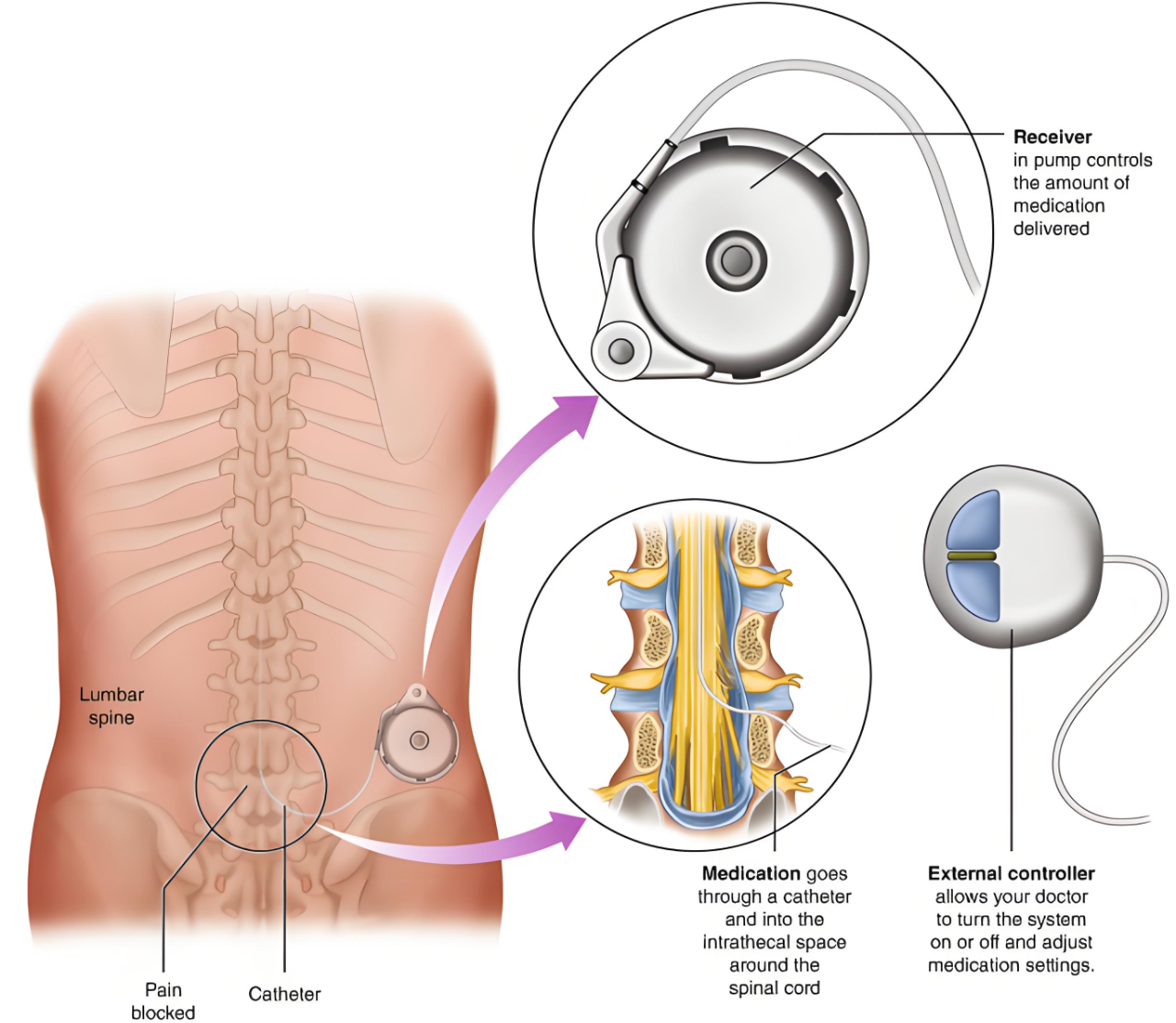
This advanced technology involves implanting a small infusion pump into the body through a minimally invasive procedure, delivering analgesic drugs directly into the subarachnoid space of the spinal cord. Compared with high-dose oral opioids, this technique offers significant advantages, including lower drug dosage, stronger analgesic effect, fewer side effects, and dynamic dose adjustment. It is especially suitable for patients with advanced cancer pain who respond poorly to conventional three-step analgesic therapy or cannot tolerate drug side effects, greatly improving their quality of life.
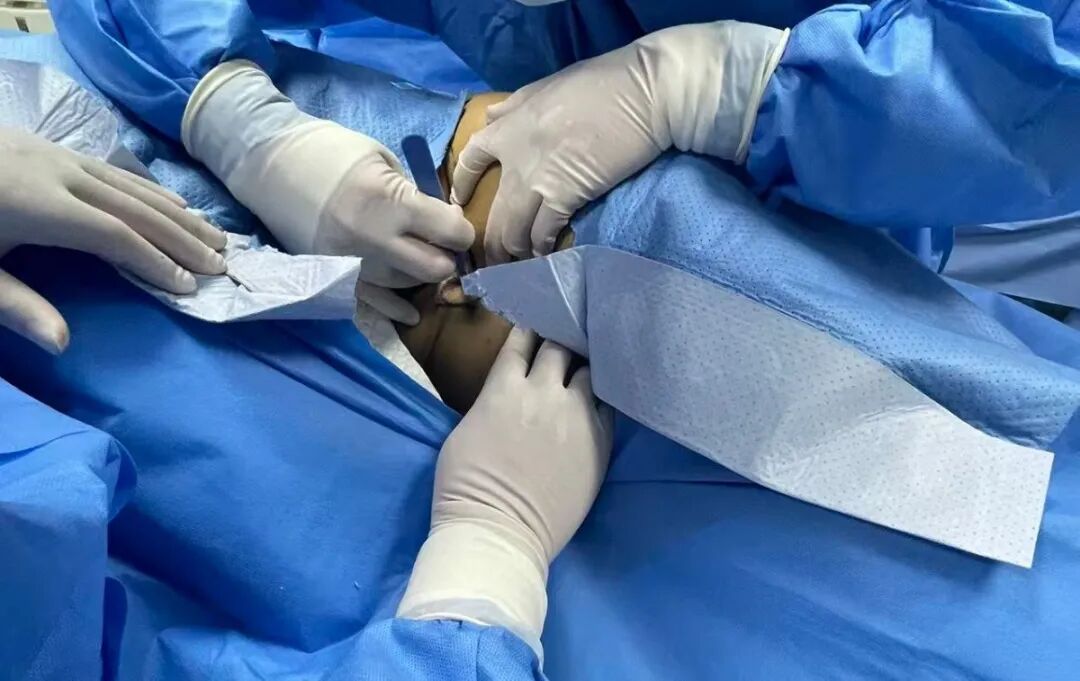
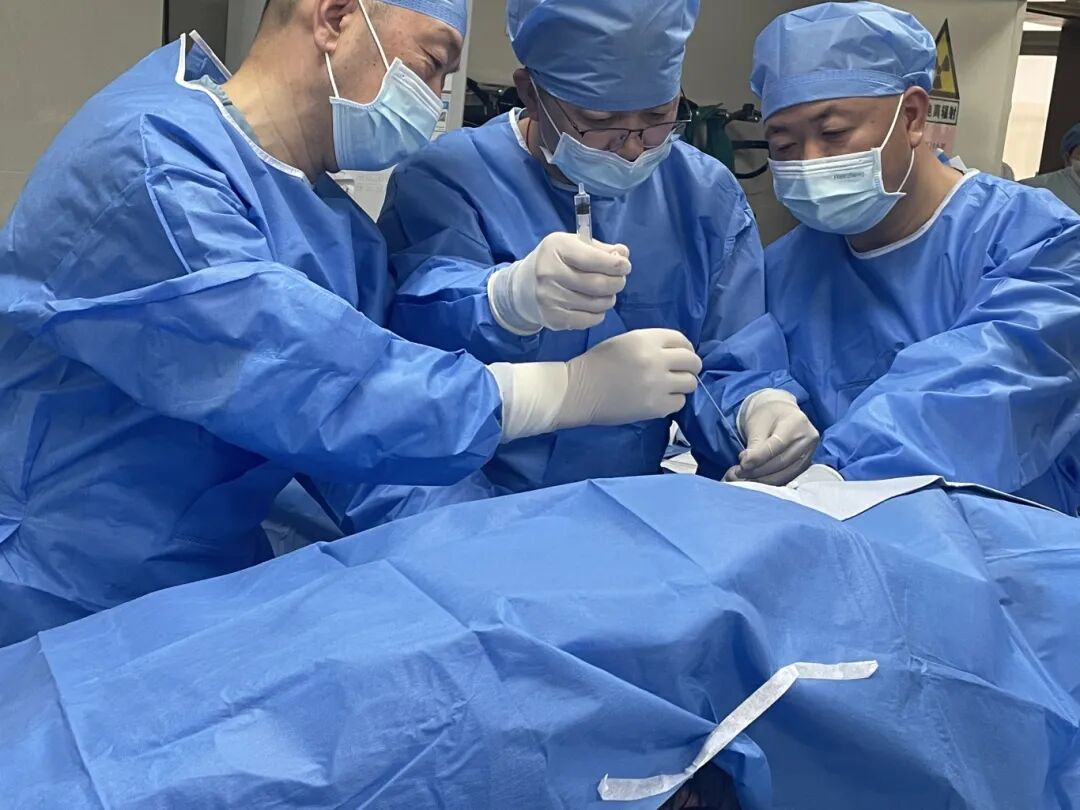
After surgery, Ms. Huang experienced excellent pain relief. Her pain is now fully under control, and her quality of life has been effectively safeguarded.
The successful completion of the hospital’s first intrathecal analgesia pump implantation marks a major breakthrough in the treatment of advanced cancer pain. Like a key, it opens a new door of peace and dignity for countless lives locked in by intractable cancer pain. In the future, the hospital will continue to deepen its efforts in pain management, continuously optimize treatment strategies, and bring hope and warmth to more patients.