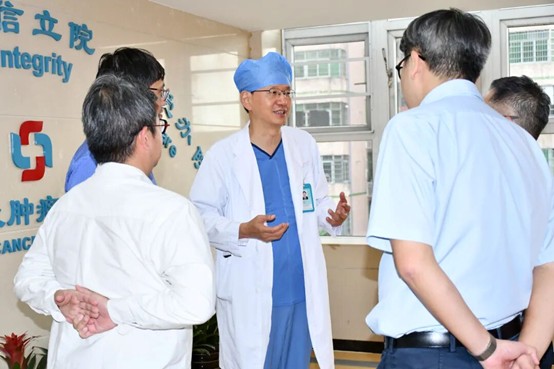
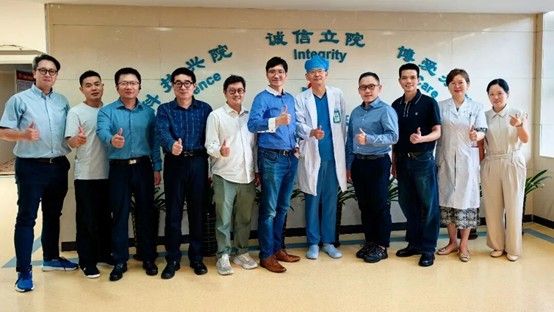
On April 28, 2026, the Guangdong–Hong Kong Expert Exchange on Lung Cancer Cryoablation was successfully held at Guangzhou Fuda Cancer Hospital. Experts and scholars from institutions including Prince of Wales Hospital Hong Kong, Princess Margaret Hospital Hong Kong, Guangdong Second Provincial General Hospital, Guangdong Provincial People’s Hospital, and The First Affiliated Hospital of Guangzhou Medical University attended the event.
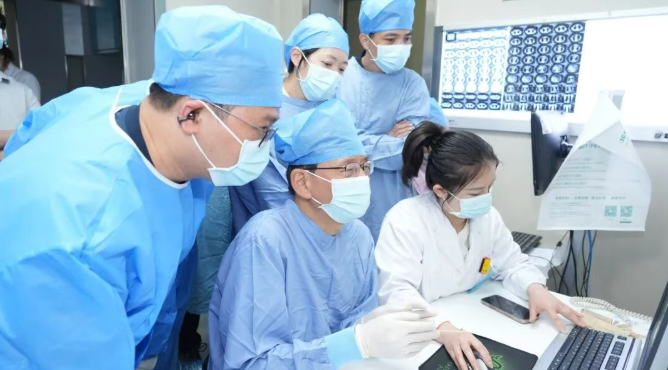
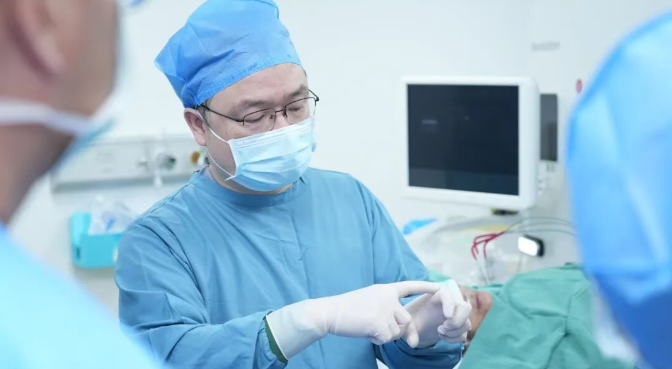
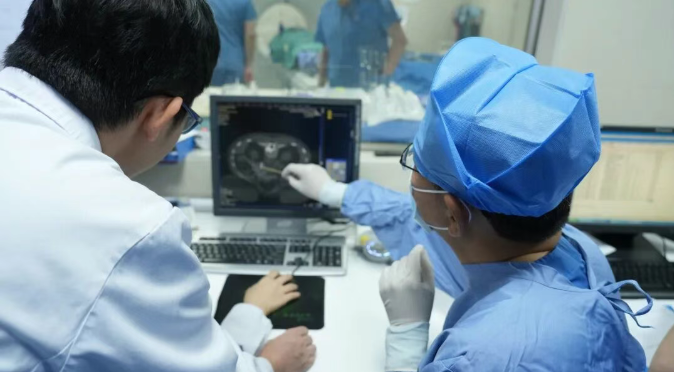
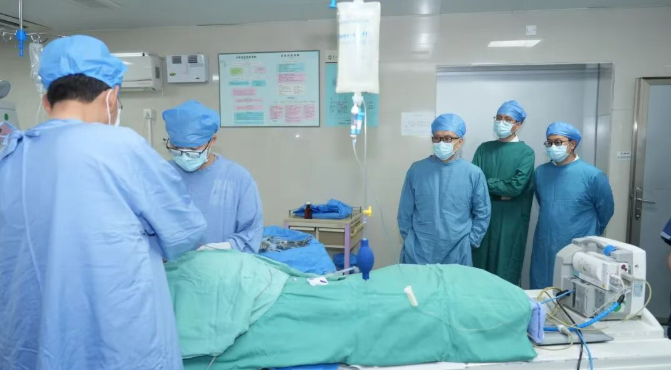
In the morning, the Hong Kong expert delegation arrived at the hospital and conducted on-site observation and academic exchanges in the treatment center. By observing cryoablation procedures for tumors in the liver, lungs, kidneys, and adrenal glands, the experts gained a close-up understanding of the clinical applications of this technology at our hospital and across mainland China. During the session, both sides engaged in in-depth discussions on key topics such as procedural techniques, standardized workflows, and complication prevention and management, laying a solid practical foundation for further academic collaboration. The Hong Kong experts were highly impressed by the hospital’s efficiency and extensive clinical experience, remarking, “Completing seven procedures in one morning is truly impressive — both highly efficient and rich in experience.”
△Academic Session Opens with Expert Insights
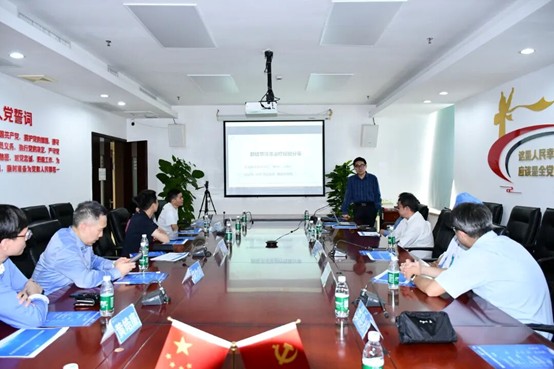
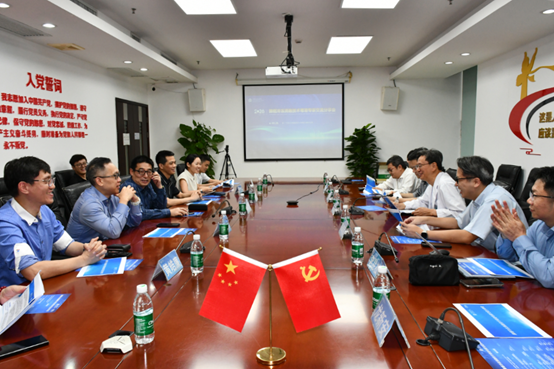
In the afternoon, the academic lecture session officially began. At the opening ceremony, Chairman Zhao Jun extended a warm welcome to all attending experts and briefly introduced the hospital’s development achievements. He noted that Guangzhou Fuda Cancer Hospital is a National Clinical Key Specialty Hospital (Oncology) and a national-level “Little Giant” enterprise specializing in innovation and advanced technologies. Over the past two decades, the hospital has provided high-quality medical services to patients from more than 120 countries and regions worldwide.
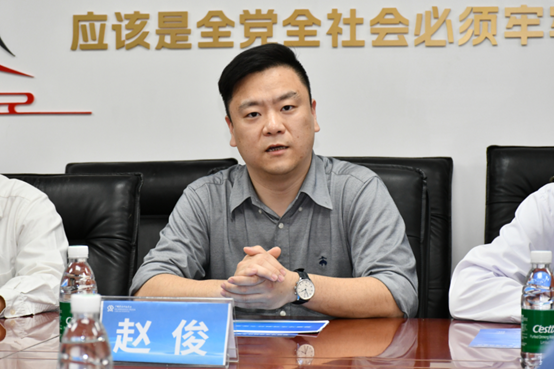
Chairman Zhao emphasized that under the leadership of President Niu Lizhi, the hospital’s cryoablation technology has gained wide recognition from both domestic and international peers as well as patients. The hospital has also established a dedicated Lung Nodule Diagnosis and Treatment Center, accumulating extensive clinical experience in the management of lung cancer and pulmonary nodules. He expressed hope that this exchange would spark meaningful academic dialogue and further advance cryoablation technology and cancer prevention and treatment efforts.
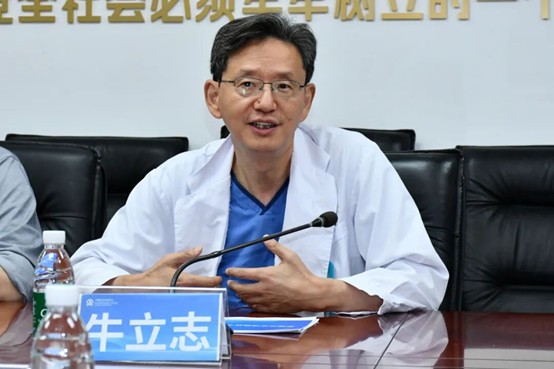
In his speech, President Niu Lizhi stressed that medicine requires lifelong learning and continuous academic exchange. He noted that only through diverse perspectives and intellectual discussion can medical technologies continue to improve. He stated that the visit of the Hong Kong expert delegation reflected the medical community’s recognition of the hospital’s clinical work. He also expressed hope that both sides would deepen academic cooperation, exchange clinical experience and treatment strategies, and work together to improve cancer care and provide better medical services for patients.
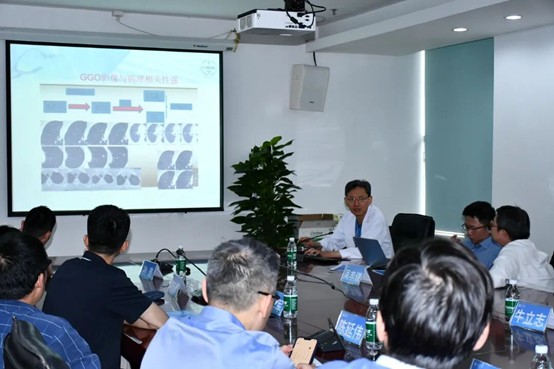
Drawing on extensive clinical cases and detailed data, President Niu systematically explained the significant advantages of cryoablation in the treatment of lung cancer and pulmonary nodules. He also proposed practical solutions to common technical challenges encountered during procedures. According to President Niu, cryoablation may additionally stimulate systemic immune responses, and when combined with immunotherapy, could potentially achieve even better clinical outcomes.
Professor Chen Yanwei from the Department of Pulmonary and Critical Care Medicine at The First Affiliated Hospital of Guangzhou Medical University shared several representative cases involving elderly patients, patients with underlying diseases such as atrial fibrillation, as well as small or anatomically challenging pulmonary nodules. His presentation demonstrated the advantages of cryoablation, including excellent visualization, absence of thermal damage, and good patient tolerance. For lesions located in particularly difficult areas such as near the ventricles or mediastinum, the use of percutaneous robotic-assisted puncture significantly reduced procedural difficulty and enhanced treatment safety.
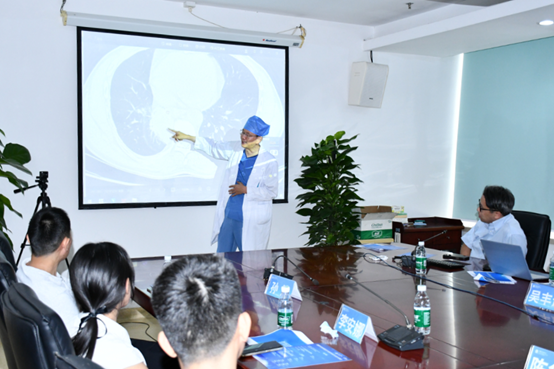
△In-Depth Case Discussions Promote Consensus
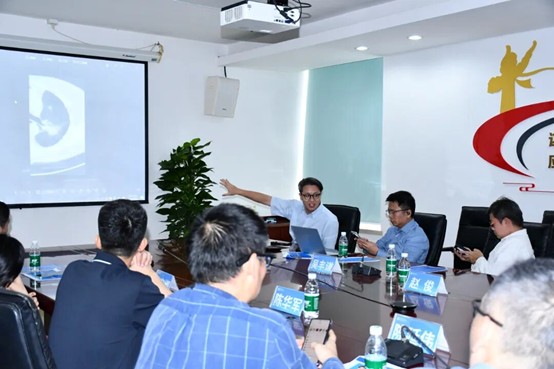
During the case discussion session, experts from both sides conducted in-depth exchanges on several representative cases presented by the Hong Kong delegation. Topics included the feasibility of ablation, selection of ablation methods, and optimal needle placement strategies. The discussions were lively and highly interactive, with many valuable consensus points reached through professional dialogue.
This Guangdong–Hong Kong expert exchange not only deepened mutual understanding between specialists from both regions in the field of lung cancer cryoablation, but also effectively promoted experience sharing and collaborative development. More importantly, it laid a solid foundation for enhancing cancer diagnosis and treatment capabilities together and ultimately benefiting more patients.