


From February 4 to 8, 2026, the Annual Meeting of the Society of Interventional Oncology (SIO) was grandly held in Savannah, USA. Formerly known as the World Conference on Interventional Oncology (WCIO), SIO has been dedicated since its establishment in January 2017 to building, nurturing, and advancing the cutting-edge field of interventional oncology, and has become one of the most influential international platforms for academic exchange in this discipline.
This year’s meeting brought together leading experts, scholars, and clinicians from around the world in interventional oncology and related fields. Through cutting-edge keynote sessions, panel discussions, invited oral presentations, and selected abstract presentations, participants explored multidisciplinary topics spanning radiology, medical oncology, surgery, interventional therapy, hepatology, and radiation oncology, with a shared focus on optimizing existing treatment paradigms and integrating emerging technologies.
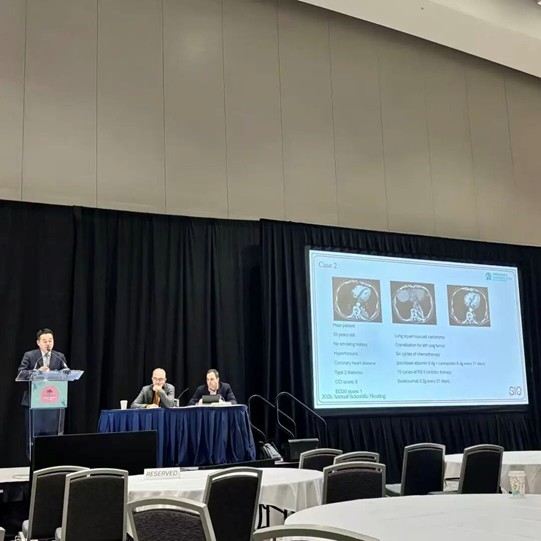
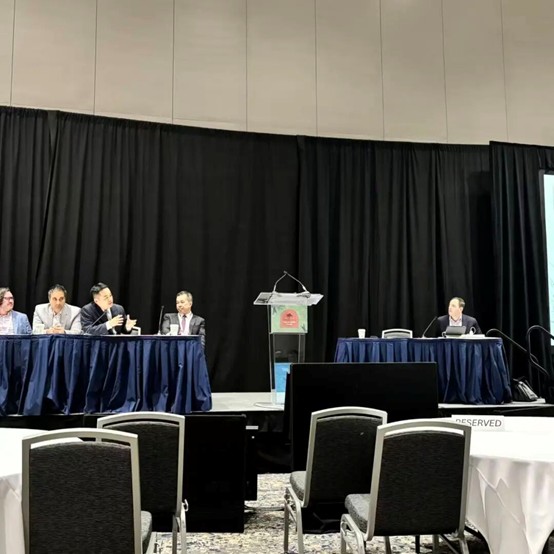
Notably, in the Scientific Oral Presentation session, there was only one presentation delivered by a Chinese hospital. This presentation was given by Director Liu Shupeng, a medical expert from Guangzhou Fuda Cancer Hospital, and focused on comprehensive treatment strategies for advanced lung cancer. It highlighted China’s clinical practice and research progress in interventional oncology, contributing Chinese insight and experience to the global development of the field.
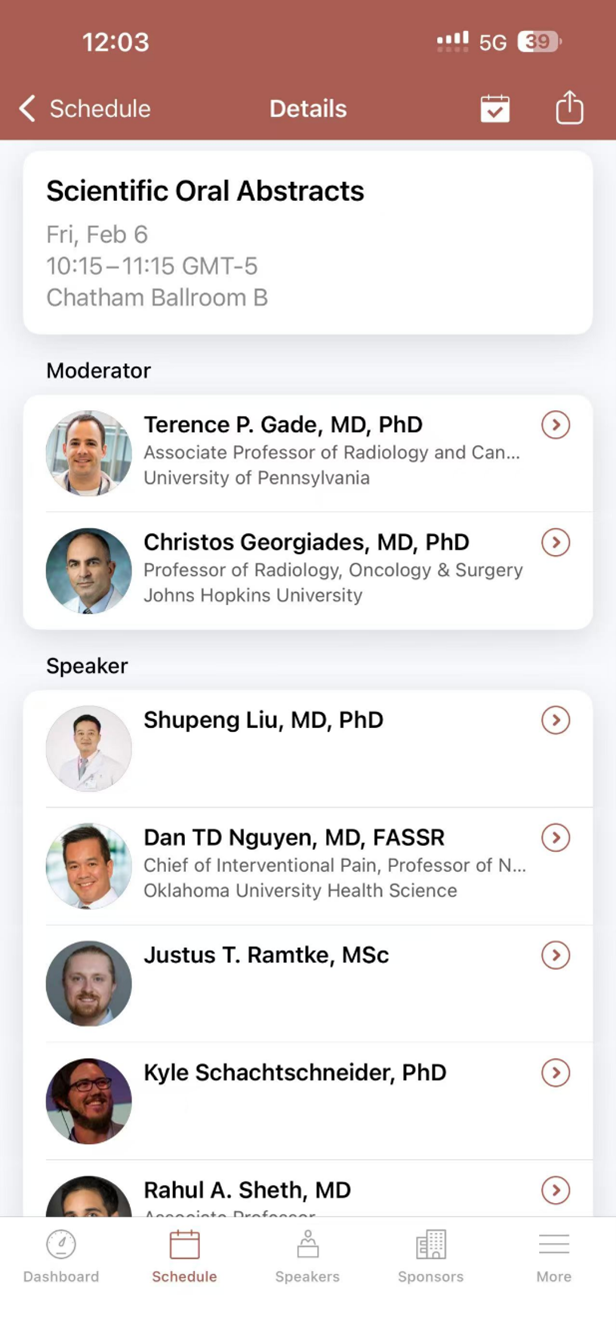
The presentation addressed a key challenge in current lung cancer treatment: despite the widespread use of targeted therapies and chemotherapy, some patients still develop drug resistance in the mid-to-late stages of treatment. Director Liu systematically introduced a combined regimen of cryoablation + PD-1 inhibitors + chemotherapy. In this approach, cryoablation induces immunogenic cell death, PD-1 inhibitors restore T-cell function, and chemotherapy enhances tumor antigen exposure. Through their synergistic effects, this integrated strategy offers new therapeutic possibilities for patients with advanced non-small cell lung cancer. This innovative and practice-oriented Chinese approach attracted widespread attention and lively discussion among international peers at the conference.
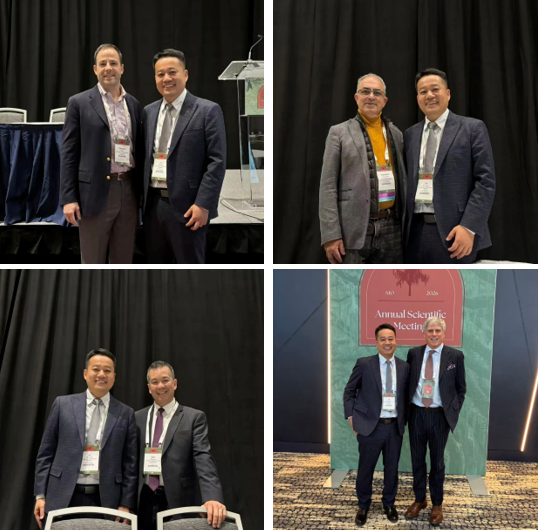
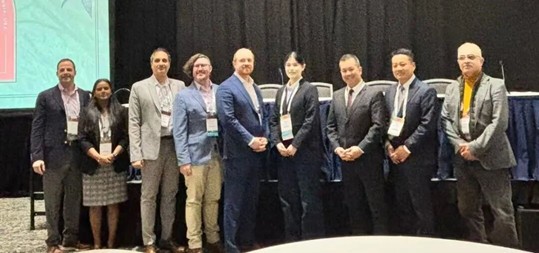
Taking this opportunity, Guangzhou Fuda Cancer Hospital will continue to deepen its exchanges and collaborations with the international medical community, actively contributing China’s clinical expertise and research perspectives. To date, the hospital has provided medical services to patients from more than 120 countries and regions worldwide. Looking ahead, it will continue to promote the global development of interventional oncology, bringing new hope to more cancer patients around the world.